Fire Safety Legal Duties for Irish Employers
If you employ people or control a building in Ireland, fire safety is a legal duty with real teeth. Here is a clear breakdown of who is responsible and what the law actually requires.
Who is responsible for fire safety in Ireland?
Fire safety law in Ireland places clear responsibilities on employers and on anyone in control of premises. If you run a business, manage a building or are responsible for a workplace, the law expects you to take active steps to prevent fire and to protect everyone who could be affected. Understanding exactly where those duties come from helps you meet them with confidence rather than guesswork.
Two strands of legislation work together. The Safety, Health and Welfare at Work Act 2005 sets the general duty to protect employees so far as is reasonably practicable. The Fire Services Acts 1981 and 2003 add specific fire duties on those having control of premises, and give the local fire authority powers to inspect, advise and, where necessary, enforce.
The duty does not stop at your own staff. It extends to visitors, contractors and anyone else who could be in or near the premises if a fire broke out.
The core legal duties
While the precise requirements depend on your premises and activities, the duties generally expected of an employer or person in control include:
- Taking reasonable measures to guard against the outbreak of fire on the premises.
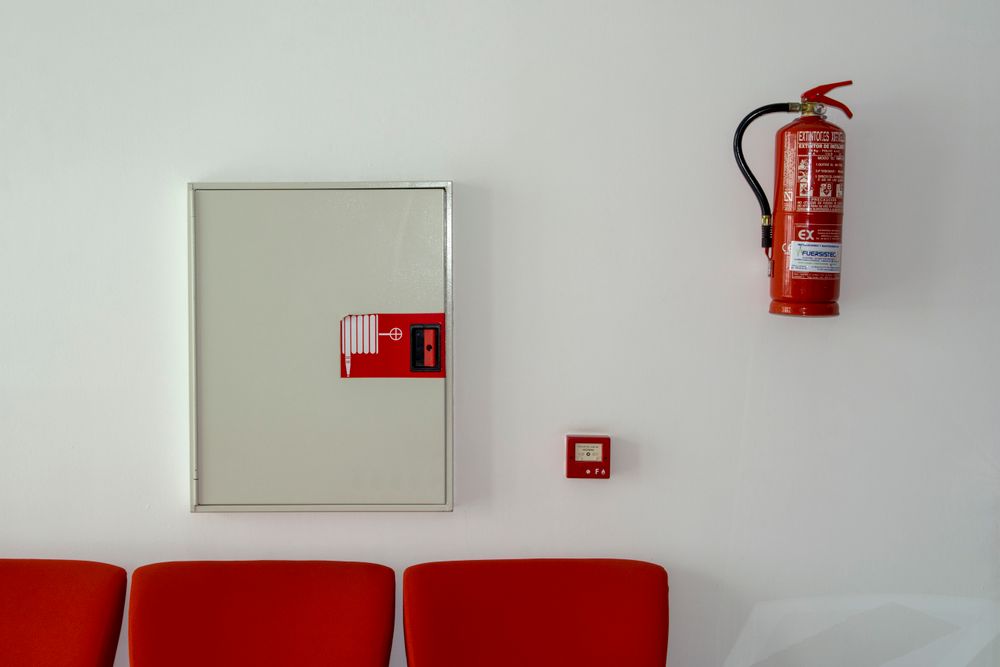
- Providing reasonable fire safety measures and maintaining them in working order.
- Ensuring safe means of escape that can be used quickly and easily.
- Preparing for emergencies with a plan, trained staff and procedures for raising the alarm and evacuating.
- Giving people the information and instruction they need to act safely.
The fire safety risk assessment
The practical way to discharge these duties is a documented fire risk assessment. It identifies fire hazards, the people at risk and the controls needed, then drives the precautions you put in place. It should be reviewed whenever the premises, processes or occupancy change, and kept up to date as part of your overall safety management.
This connects directly to your broader obligations under the 2005 Act, which already requires risk assessment and a safety statement. Treating fire as part of that single, joined-up system avoids gaps and duplication.
Key takeaways
- Fire duties come from the 2005 Act and the Fire Services Acts 1981 and 2003.
- Those in control of premises must guard against fire and ensure safe escape.
- Duties extend to staff, visitors, contractors and others who could be affected.
- A fire risk assessment is the practical tool for meeting these duties.
- The local fire authority can inspect premises and enforce the law.
Training, drills and record-keeping
Meeting your duties is not only about hardware. The law expects people to know what to do, which means providing fire safety information and instruction, appointing and training fire wardens, and running regular fire drills. Keeping records of risk assessments, training, drills, alarm tests and equipment maintenance is how you demonstrate compliance if the fire authority ever asks.
Fire Safety training from €35
Self-paced, HSA-aligned, certificate the same day — €35 per person.
What happens if you get it wrong
The local fire authority has real powers under the Fire Services Acts. It can carry out inspections, issue advice, and where serious risks are found, take enforcement action that may restrict or close premises. Beyond legal consequences, the human and business cost of a preventable fire is far greater than the cost of getting prevention right.
Working with your local fire authority
The local fire authority is not only an enforcer — it is also a source of guidance. Engaging with it constructively, keeping your documentation in order and acting promptly on any advice helps you stay on the right side of the law and, more importantly, keeps people safe. Many issues are far cheaper and easier to fix before an inspection than after an incident.
Treat fire safety as a living part of how you run the premises rather than a one-off compliance exercise. Regular reviews, up-to-date records and well-trained staff show a genuine commitment to safety that protects your people, your visitors and your business alike.
Finally, do not treat fire safety in isolation from your wider health and safety system. The same culture of risk assessment, training and record-keeping that protects people from slips, manual handling injuries and other hazards should extend naturally to fire. Joining everything up under one clear approach makes compliance simpler and your premises genuinely safer.
The good news is that meeting these duties is achievable and largely common sense once it is broken down. Start with our overview of fire safety in the workplace in Ireland, then make sure you have trained people in place by reading about the fire warden role and responsibilities. Clear duties, met properly, protect both your people and your business.