The Fire Warden Role and Responsibilities Explained
Behind every smooth evacuation is a trained fire warden who did the quiet work beforehand. Here is exactly what the role involves, day to day and when the alarm sounds.
Who is a fire warden and why they matter
A fire warden — sometimes called a fire marshal — is a trained member of staff who takes on specific fire safety duties on behalf of their employer. In an emergency they help raise the alarm and get everyone out safely; day to day, they are the eyes and ears that keep fire precautions working. They are one of the most practical ways an Irish employer turns a fire safety plan into something that actually protects people.
Appointing wardens supports the duties placed on employers and those in control of premises by the Safety, Health and Welfare at Work Act 2005 and the Fire Services Acts 1981 and 2003. The number you need depends on the size and layout of the premises, the level of risk and your shift patterns — you must have enough trained people to cover every area at all times, including holidays and absences.
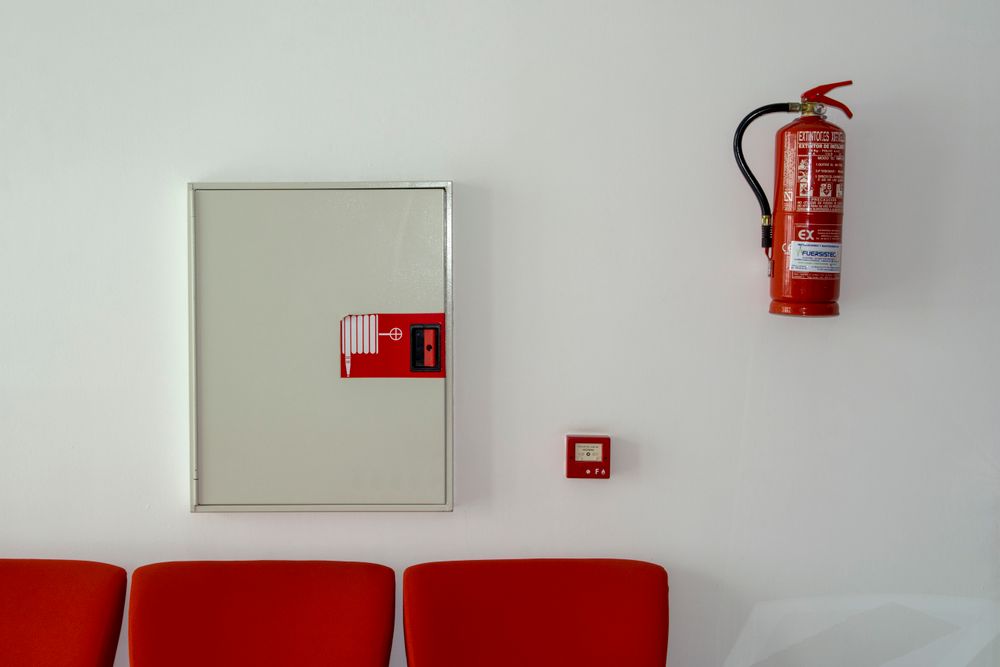
A fire warden's most important job happens long before any fire — quietly making sure escape routes are clear and precautions are in place every single day.
Everyday responsibilities
Most of a fire warden's value comes from routine, preventive work that stops emergencies happening in the first place:
- Keeping escape routes and fire exits clear of obstructions and clutter.
- Checking fire doors are not wedged open and close properly.
- Spotting and reporting hazards such as overloaded sockets, build-ups of waste or blocked extinguishers.
- Making sure firefighting equipment is in place, accessible and within its service date.
- Helping induct new staff and visitors on what to do if the alarm sounds.
Responsibilities during an emergency
When the alarm sounds, the fire warden moves into a coordinating role. Their priority is always to get people out safely, never to fight a serious fire. Typical emergency duties include:
- Raising or confirming the alarm and ensuring the emergency services are called.
- Directing people calmly to the nearest safe exit and escape route.
- Sweeping their assigned area as far as it is safe to do so, checking rooms, toilets and quiet corners.
- Assisting anyone who needs help to evacuate, following any personal evacuation plans.
- Reporting to the assembly point and helping account for everyone.
- Stopping people re-entering the building until it is declared safe.
Key takeaways
- Fire wardens carry out everyday checks and lead the response in an emergency.
- Their first priority is safe evacuation, not tackling a developing fire.
- You need enough trained wardens to cover every area on every shift.
- Appointing wardens supports duties under the 2005 Act and the Fire Services Acts 1981 and 2003.
- Regular training and drills keep wardens confident and effective.
The skills a fire warden needs
Being an effective warden is not about being the loudest person in the room. The qualities that matter most are reliability, calmness under pressure, good awareness of the building and its hazards, and the confidence to give clear instructions when seconds count. Training builds these by covering how fire behaves, how to use equipment safely, evacuation procedures and the warden's specific role.
Fire Safety training from €35
Self-paced, HSA-aligned, certificate the same day — €35 per person.
Supporting your wardens
Employers should give wardens the time, authority and information they need to do the job properly. That means keeping them informed of changes to the building or processes, involving them in fire drills, and refreshing their training so it never goes stale. A high-visibility tabard or badge also helps colleagues identify them instantly during an evacuation.
How many fire wardens do you need?
There is no single magic number. The right amount of fire wardens depends on the size and layout of your premises, the level of fire risk, the number of people present and your shift patterns. A large multi-floor building clearly needs more wardens than a small single-room office, and you must always have enough trained people available to cover every area whenever the premises are in use.
Because holidays, sickness and staff turnover are inevitable, it is wise to train more wardens than the bare minimum. Spreading them across floors, departments and shifts ensures there is never a gap where an area is left without a trained person ready to act.
Fire wardens are one part of a wider fire safety system. To see how the pieces fit, read our overview of fire safety in the workplace in Ireland and our guide to the fire safety legal duties of Irish employers. Well-trained wardens are what make the difference between a controlled evacuation and chaos.