How to Use a Fire Extinguisher Safely
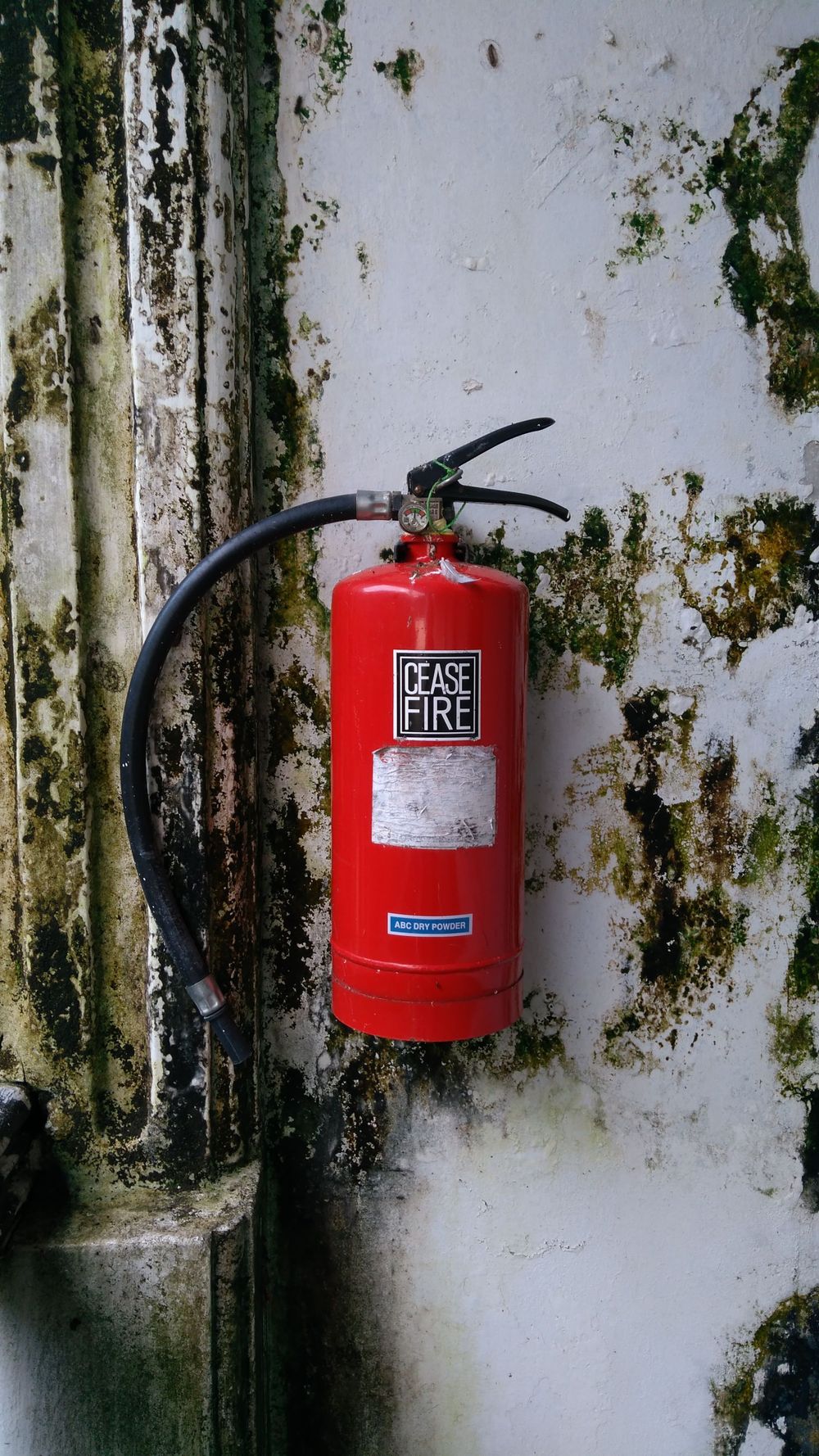
A fire extinguisher in the right hands can stop a small fire becoming a catastrophe — but only if it is the correct type and used safely. Here is how, and just as importantly, when.
First, decide whether to fight the fire at all
A portable fire extinguisher can stop a small fire becoming a disaster — but only when it is the right type, used correctly, and only when it is genuinely safe to do so. The single most important rule is that your own safety and escape come first. An extinguisher is for a small fire in its earliest stage, never a developing blaze.
Before approaching any fire, make sure the alarm has been raised and the emergency services are being called. Only consider tackling it if the fire is small, you have a clear escape route behind you, you are trained, and you have the correct extinguisher. If in any doubt, get out, stay out and let the fire service deal with it.
An extinguisher buys you time and protects your escape. It is never worth your life — if the fire grows or the room fills with smoke, leave immediately.
Match the extinguisher to the fire
Using the wrong extinguisher can be ineffective or dangerous. In Irish and European premises you will typically find colour-coded extinguishers:
- Water (red label): for ordinary combustibles such as wood, paper and textiles. Never on live electrical equipment or cooking oils.
- Foam (cream label): for combustibles and flammable liquids.
- CO2 (black label): for electrical equipment and flammable liquids; leaves no residue.
- Dry powder (blue label): versatile, including some gas fires, but reduces visibility and is messy indoors.
- Wet chemical (yellow label): for cooking oils and fats, typically in kitchens.
For a fuller explanation of which fire is which, see our guide to the classes of fire explained.
The PASS technique
Most extinguishers are operated using the simple PASS method. Stand a safe distance back and:
- P — Pull the safety pin to break the seal.
- A — Aim the nozzle low, at the base of the flames, not the top.
- S — Squeeze the handle to release the agent.
- S — Sweep from side to side across the base of the fire until it is out.
Keep watching after the flames die down in case the fire reignites, and back away rather than turning your back on it.
Key takeaways
- Only tackle a small fire with a clear escape route, and only if trained.
- Raise the alarm and call the fire service before doing anything else.
- Match the extinguisher to the fire — the wrong type can be dangerous.
- Remember PASS: Pull, Aim, Squeeze, Sweep at the base of the flames.
- If the fire grows or smoke builds, get out and stay out.
Common mistakes
- Aiming at the flames instead of the base of the fire wastes the extinguisher.
- Using water on electrical or oil fires, which can cause electric shock or spread burning fat.
- Standing too close at the start, or with no escape route behind you.
- Tackling a fire that is already too big instead of evacuating.
Fire Safety training from €35
Self-paced, HSA-aligned, certificate the same day — €35 per person.
Why hands-on practice matters
Reading about the PASS technique is useful, but doing it for real is what builds confidence. Practical extinguisher training lets people feel the weight of the unit, experience the discharge time — often only seconds — and learn to judge when a fire is too big to fight. That judgement is exactly what protects lives.
Maintenance keeps extinguishers ready
An extinguisher is only useful if it works on the day you need it. That means keeping units in their designated, clearly signed locations, unobstructed and easy to reach. They should be visually checked regularly and serviced on schedule by a competent person, with the pressure gauge in the correct zone and the tamper seal intact.
Staff should also report any extinguisher that has been used, moved or damaged so it can be replaced or recharged promptly. A missing or empty extinguisher discovered during a real fire is exactly the situation good maintenance is designed to prevent.
It also helps to teach staff a simple decision: if the first attempt does not quickly bring the fire under control, stop, leave and let the fire service take over. Extinguishers discharge in seconds, and persisting with a fire that is winning costs precious escape time. Knowing when to walk away is as important as knowing how to aim.
Extinguisher skills work best as part of a wider fire plan. Read our guide to fire safety in the workplace in Ireland and understand the fire warden role and responsibilities so your trained staff know precisely when, and when not, to step in.